


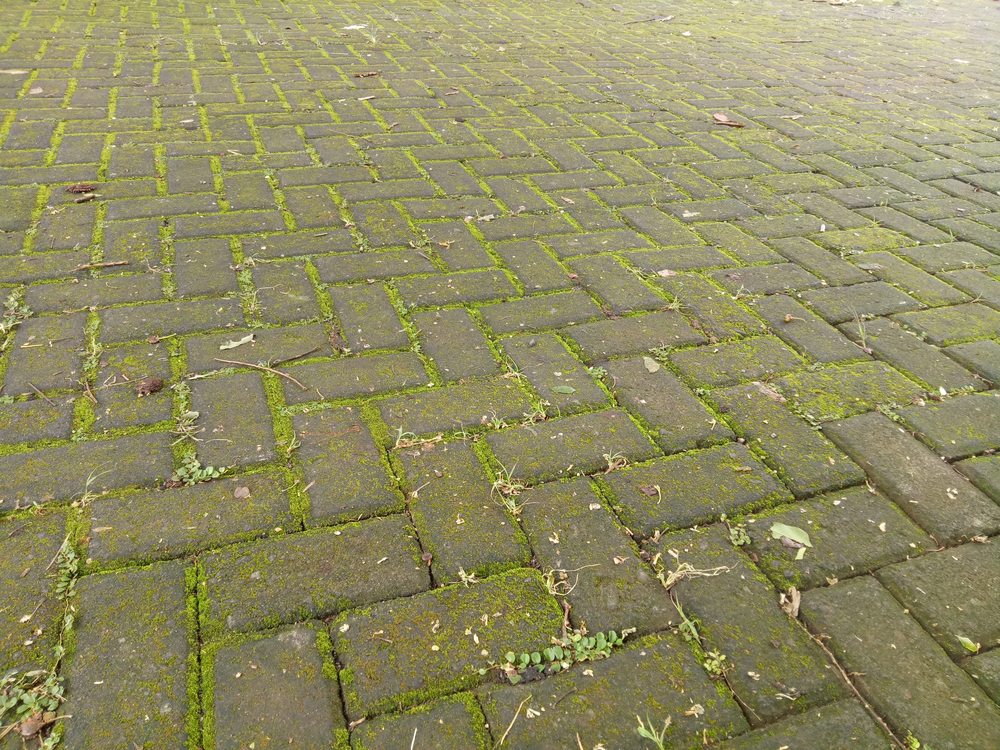
A driveway can become hazardous long before it looks severely dirty. Thin layers of algae, mildew, mud, vehicle residue, and organic debris may create a slick surface, especially after rain. Because this buildup develops gradually, homeowners may not realize how much traction has been lost until someone slips or a vehicle struggles on an incline.
Pressure washing can help restore a cleaner, more stable walking and driving surface by removing contaminants that make concrete slippery. However, the process must be completed correctly. Excessive force, inappropriate chemicals, or uneven cleaning can damage the surface without addressing the real cause.
For homeowners in Pensacola, FL, where humidity and frequent rainfall encourage organic growth, routine exterior cleaning can be an important part of maintaining a safer driveway.
Why Driveways Become Slippery
Concrete is porous and textured, which helps provide traction when it is clean. Over time, its pores collect dirt, pollen, leaf residue, oil, and moisture. In shaded or poorly drained areas, algae and mildew may form a thin film across the surface.
This film may appear green, black, or brown, but it is not always obvious. A driveway can look only slightly discolored while still becoming slippery when wet. Areas near downspouts, landscaping, irrigation systems, and trees often develop buildup first.
The climate in Pensacola, FL, makes these conditions especially common. Warm temperatures support organic growth, while humidity slows the drying process after storms. When moisture repeatedly remains on the driveway, algae and mildew can return quickly.
How Pressure Washing Can Improve Traction
Pressure washing removes dirt and breaks apart layers that interfere with the natural texture of concrete. Once the buildup is lifted away, shoes and tires can make better contact with the surface.
The best results often come from more than water pressure alone. A professional may apply a concrete-safe cleaning solution to loosen algae, mildew, and grime before rinsing. This limits the need to blast the surface repeatedly and helps clean the concrete more evenly.
Cleaning the entire affected section is also important. Treating only the darkest patch can leave nearby areas slippery and create noticeable differences in color.
Which Types of Buildup Create the Most Risk?
Algae is one of the most common causes of slippery exterior concrete. It thrives where moisture, shade, and organic material are present. Mildew can create similar conditions, particularly along driveway edges and near exterior walls.
Oil and automotive fluids are another concern. Even a small leak can spread when mixed with rainwater, creating a greasy area that ordinary rinsing will not remove. Mud, wet leaves, and compacted pollen may also reduce traction.
Pressure washing can address many of these contaminants, but each may require a different treatment. Organic growth responds differently from petroleum residue, while rust stains require another approach. Identifying the source before cleaning helps prevent wasted effort and unnecessary damage.
Why Higher Pressure Is Not Always Better
A powerful stream may remove visible grime quickly, but stronger pressure does not automatically produce a safer result. Holding a nozzle too close can etch concrete, expose aggregate, or leave lines across the driveway.
Surface damage may also create areas that hold moisture or collect dirt more easily. An aggressive technique can therefore make the driveway more difficult to maintain over time.
Professional pressure washing uses a balanced combination of water pressure, nozzle selection, cleaning products, distance, and steady movement. The objective is to remove slippery contamination while preserving the texture that provides traction.
Drainage Matters as Much as Cleaning
A freshly cleaned driveway may become slippery again if water continues collecting in the same areas. Low spots, clogged drains, overflowing gutters, and poorly directed downspouts can leave sections damp for extended periods.
Homeowners should observe the driveway after heavy rain. Water that remains for several hours may indicate a drainage or grading issue. Irrigation overspray can also keep concrete wet during otherwise dry weather.
Pressure washing removes existing buildup, but correcting persistent moisture can slow its return. In Pensacola, FL, where storms may bring heavy rainfall, directing water away from the driveway makes routine cleaning more effective.
Should Connected Walkways Be Cleaned Too?
A slippery driveway is often only one part of the problem. The same algae and mildew may be present on sidewalks, front steps, walkways, and paths leading to the garage.
Cleaning connected surfaces at the same time creates a more consistent appearance and reduces the chance of someone moving from a clean driveway onto an untreated, slick walkway. It also prevents dirty runoff from nearby concrete from quickly staining the cleaned area.
Different surfaces may require different techniques. Steps, decorative concrete, painted areas, and expansion joints should not automatically receive the same settings as a standard driveway slab.
How Often Should a Driveway Be Cleaned?
There is no single schedule that fits every property. The appropriate frequency depends on shade, rainfall, vehicle traffic, surrounding trees, drainage, and the amount of organic debris reaching the surface.
Many driveways benefit from professional cleaning once a year. Heavily shaded properties or homes near dense landscaping may need service more frequently.
The best time to schedule pressure washing is before the driveway becomes extremely dark or slick. Green edges, dark patches, standing water, and noticeable changes in traction are signs that cleaning may be due.
Homeowners in Pensacola, FL, should pay particular attention after extended rainy periods. Addressing buildup early usually allows for a gentler and more effective cleaning process.
Can Cleaning Prevent Every Slip?
A clean driveway can improve traction, but pressure washing cannot eliminate every safety risk. Cracks, uneven slabs, loose gravel, steep slopes, damaged coatings, and poor drainage may still create hazardous conditions.
Homeowners should inspect the surface after cleaning and address structural concerns separately. Cracks may require repair, while sunken sections or severe drainage issues may need help from an appropriate contractor.
Cleaning is most effective when it is part of broader property maintenance rather than treated as a complete solution for every driveway problem.
When Professional Cleaning Is the Safer Choice
DIY equipment can remove light surface dirt, but slippery concrete requires more judgment than simply choosing the strongest setting. The wrong product can affect nearby plants, while inconsistent cleaning may leave untreated patches or permanent marks.
Exterior Wash Experts can evaluate the driveway’s material, staining, drainage, and overall condition before selecting an appropriate method. Homeowners seeking pressure washing in Pensacola, FL, can receive professional help removing algae, mildew, grime, and other buildup that may reduce traction.
Commercial properties face similar concerns in areas with frequent vehicle and foot traffic. Continue with What Businesses Benefit Most From Commercial Pressure Washing? to explore how routine exterior cleaning can support safety, appearance, and customer confidence.
A Cleaner Driveway Can Be a Safer Driveway
Pressure washing can make a meaningful difference by removing contaminants that cover the natural texture of concrete. It is especially useful for algae, mildew, dirt, pollen, and other material that becomes slippery when wet.
The cleaning process should also include attention to drainage and recurring moisture. If water continues collecting in the same location, organic growth will likely return regardless of how thoroughly the surface was washed.
With controlled pressure, suitable cleaning products, and regular inspection, homeowners in Pensacola, FL can improve curb appeal while creating a cleaner and more dependable driveway.