


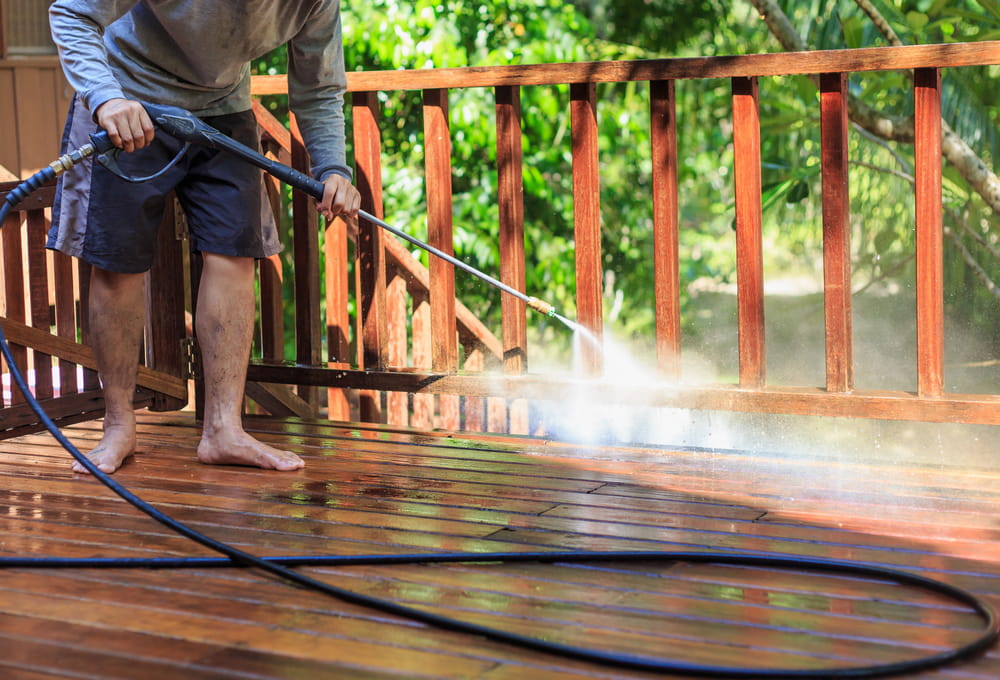
If you’ve ever hesitated to clean your siding or roof because you’re worried about damage, you’re not overthinking it. In Pensacola, FL, humidity and shade can build up algae, mildew, and grime fast—but not every surface should be treated the same way. That’s where soft washing comes in.
Soft washing isn’t “pressure washing, but weaker.” It’s a different approach that focuses on chemistry and time, not force. And when it’s done correctly, it can deliver a deep clean while being much gentler on painted surfaces, delicate exterior materials, and areas where high pressure can cause problems.
What soft washing actually is
Soft washing uses low-pressure water (often similar to what comes out of a garden hose) plus specialized cleaning solutions designed to break down organic growth. The process depends on two things:
- A cleaner that targets algae, mildew, and bacteria
- Dwell time, meaning the solution sits long enough to do the heavy lifting
In Pensacola, FL, this matters because many stains on siding and roofs aren’t just “dirt.” They’re living growth that spreads. Soft washing is built to treat the cause, not just rinse the symptom.
This is also why soft washing often complements pressure washing rather than replacing it. Hard surfaces like concrete may still need more force, while softer or painted areas usually benefit from a lower-impact method.
The science part: how it removes buildup
Most exterior staining falls into two buckets:
- Organic growth (algae, mold, mildew)
- Inorganic dirt (dust, soot, clay, pollen residue)
Soft washing is especially effective on organic growth because the solution disrupts the organisms and loosens their grip on the surface. Once that bond breaks down, low-pressure rinsing removes the residue without needing to blast the material.
For homeowners in Pensacola, FL, this is a big deal on shaded walls, north-facing areas, soffits, and roof sections that stay damp. The cleaning is more even, and you’re less likely to get patchy “clean lines” that show up when you rely on force alone.
Why high pressure can be risky on certain surfaces
Pressure washing is excellent in the right context, but it can cause trouble in:
- Painted wood and older trim
- Vinyl siding seams (water intrusion risk)
- Stucco (especially if it has hairline cracks)
- Roof shingles (granule loss and lifted edges)
- Window seals and screens
In Pensacola, FL, many homes also deal with salt air and storm exposure. That can weaken caulk lines and create tiny gaps. High-pressure spray aimed at the wrong angle can drive water where you don’t want it—behind siding, under flashing, or into vents.
Soft washing helps reduce that risk because it doesn’t rely on aggressive force. It’s one reason pros often recommend it for “top-down” areas and more delicate finishes.
Does soft washing use harsh chemicals?
It can, but it doesn’t have to be reckless. The best results come from using the right solution in the right concentration, protecting plants, and rinsing thoroughly. A responsible provider will:
- Pre-wet and cover sensitive landscaping
- Control runoff and avoid over-application
- Rinse carefully and evenly
- Keep solutions off areas that shouldn’t be treated
In Pensacola, FL, where landscaping is a big part of curb appeal, this step matters. The goal is to clean your exterior, not create a new problem in your flower beds.
How long do results last?
No method lasts forever, especially in a coastal climate. But soft washing often keeps surfaces looking cleaner longer when the main issue is organic growth, because it treats and removes it more completely.
That said, timing still matters. If you only clean once, things look “really bad,” you’ll usually need more effort (and stronger solutions) than if you maintain surfaces before buildup becomes heavy. Many homeowners in Pensacola, FL, find that a balanced plan uses pressure washing where it makes sense (like concrete) and soft washing where protection matters most.
Where soft washing shines around a typical home
Soft washing is commonly used for:
- Roof cleaning (when appropriate)
- Painted siding and trim
- Stucco and delicate finishes
- Fences that can splinter under force
- Areas with heavy algae streaking
And then pressure washing takes over for:
- Driveways and sidewalks
- Pavers and patios (depending on condition and joint sand)
- Garage floors and tougher hardscape stains
In Pensacola, FL, the best approach is usually mixed-method: use the gentlest solution that gets a thorough result, then reserve higher pressure for surfaces designed to handle it.
When to call a pro instead of experimenting
If you’re prepping for listing photos, dealing with a roof, or cleaning older paint, guessing isn’t worth it. The wrong technique can create visible damage that’s expensive (and embarrassing) to fix. A professional can choose the right method and avoid common pitfalls like streaking, etching, or water intrusion.
If you want it handled safely from start to finish, Exterior Wash Experts offers pressure washing services and can recommend when soft washing is the smarter option for your home in Pensacola, FL.
Next up in the series
Now that you know why soft washing works, the next question is: how often should you schedule cleanings in a climate like this?
Continue the loop with How Often Should You Power Wash Your Pensacola Property?