


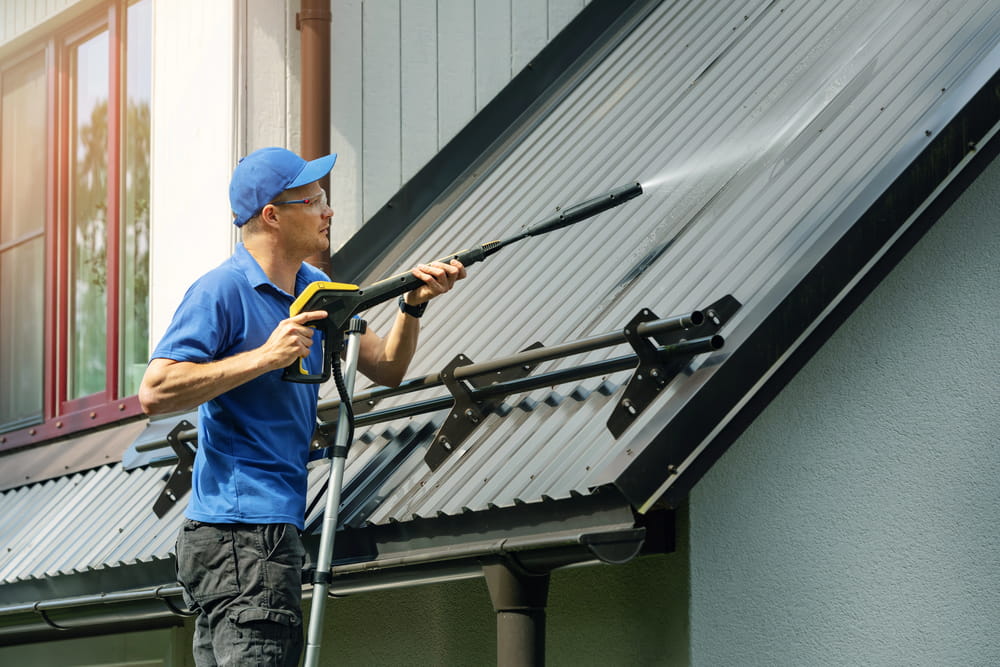
Pressure washing can make a big difference in how your home looks from the outside. It can remove layers of dirt, algae, mildew, and grime that build up over time and make exterior areas look older than they really are. But while the results can be impressive, not every surface around your home should be cleaned the same way.
That is where many homeowners get stuck. They know the property needs attention, but they are not always sure what can handle pressure washing safely and what requires a gentler approach. In Pensacola, where moisture and outdoor buildup are common, knowing the difference can help you clean smarter and avoid unnecessary damage.
Why the surface matters before cleaning begins
The term pressure washing sounds simple, but exterior cleaning is not one-size-fits-all. Different materials react differently to water pressure, cleaning solutions, and surface conditions. What works well on a concrete driveway may be too aggressive for painted siding or older wood.
The goal is not just to remove buildup. The goal is to clean the surface effectively without wearing it down, stripping it, or forcing water where it should not go. That is why surface type matters just as much as the equipment itself.
When homeowners assume every exterior material can take the same level of force, problems tend to follow. A surface may look tough, but that does not always mean it should be cleaned with high pressure.
Concrete is usually one of the safest surfaces to clean
Concrete driveways, sidewalks, patios, and pool decks are often some of the best candidates for pressure washing. These surfaces are durable and tend to collect visible stains from dirt, algae, mildew, tire marks, and everyday use.
When cleaned properly, concrete can look much brighter and fresher in a short amount of time. This is one reason homeowners often start with these areas when they want to improve curb appeal or get ready for guests.
Even so, the right technique still matters. Using too much force on damaged or aging concrete can worsen cracks or surface wear. Stained or decorative concrete may also require more care than standard gray concrete.
Brick and pavers can often be cleaned, but with care
Brick walkways, paver patios, and similar hardscape features can usually be cleaned safely, but they should not be treated exactly like solid concrete. These materials often have joints, sand, mortar, or older surfaces that can be disturbed if the cleaning is too aggressive.
Pressure washing can help remove dirt, moss, and discoloration from these areas, especially when buildup makes them look dark or uneven. Still, the process needs to be controlled. Too much pressure can loosen joint sand, damage mortar lines, or leave the surface looking uneven.
That is especially important if the area already shows signs of wear or age. In those cases, a more careful cleaning approach often makes more sense.
Siding may need a softer method, not more force
Many homeowners assume the outside of the house should be cleaned with the strongest setting possible, but siding often responds better to a lower-pressure approach. Vinyl, painted surfaces, and other exterior materials can be damaged if high pressure is used too closely or at the wrong angle.
This is why many professionals rely on soft washing methods for parts of the home itself. The idea is to clean away organic buildup and surface grime without forcing water behind panels or damaging the finish.
In a climate like Pensacola, siding can collect mildew and grime faster than people expect. A proper wash can make a major difference, but using the wrong method can create bigger problems than the dirt ever did.
Wood surfaces need extra attention
Fences, decks, railings, and other wood features can sometimes be cleaned, but wood is one of the easiest materials to damage with improper pressure washing. Too much force can leave marks, raise the grain, splinter the surface, or strip away protective finishes.
That does not mean wood should never be cleaned. It means the process has to match the condition and type of the material. Some wood surfaces do better with lower pressure and a more controlled wash, especially if they are older or already weathered.
Homeowners often underestimate how quickly wood can be affected. A cleaner result is not helpful if the surface ends up rough, scarred, or harder to maintain afterward.
Roofs, screens, and delicate areas are not typical pressure washing jobs
Some parts of a home should not be cleaned with traditional pressure washing at all. Roof shingles, screened enclosures, painted trim, older stucco, and fragile outdoor fixtures often require special care or a completely different cleaning method.
These are the areas where homeowners are most likely to cause accidental damage by using rented equipment without much guidance. What looks like simple dirt can be attached to a material that needs a much gentler approach.
If you are trying to plan exterior cleaning more strategically, it also helps to read When Is the Best Time of Year to Pressure Wash in Pensacola? so you can schedule service at the right time instead of waiting until buildup becomes harder to manage.
Why professional evaluation can save time and trouble
One of the most helpful parts of hiring a professional is knowing that each surface will be treated based on what it actually needs. Instead of guessing which areas can handle stronger cleaning and which ones cannot, homeowners can get a more targeted and safer result.
Exterior Wash Experts provides professional pressure washing services for Pensacola homeowners who want cleaner exterior surfaces without the risk of using the wrong method on the wrong material. That matters when your property includes a mix of concrete, pavers, siding, fencing, and other outdoor features that need different levels of care.
A professional approach can also help spot problem areas early, especially when buildup is hiding wear, staining, or surface deterioration.
The safest clean is the one that fits the surface
Pressure washing can be a great way to refresh the outside of your home, but the safest results come from understanding what should be cleaned, how it should be cleaned, and what method fits best. Some surfaces respond well to stronger washing, while others need a lighter touch.
For most homeowners, the smartest approach is not to ask whether a surface can be cleaned at all, but whether it can be cleaned the right way. Once that is clear, exterior cleaning becomes much more effective and a lot less risky.