


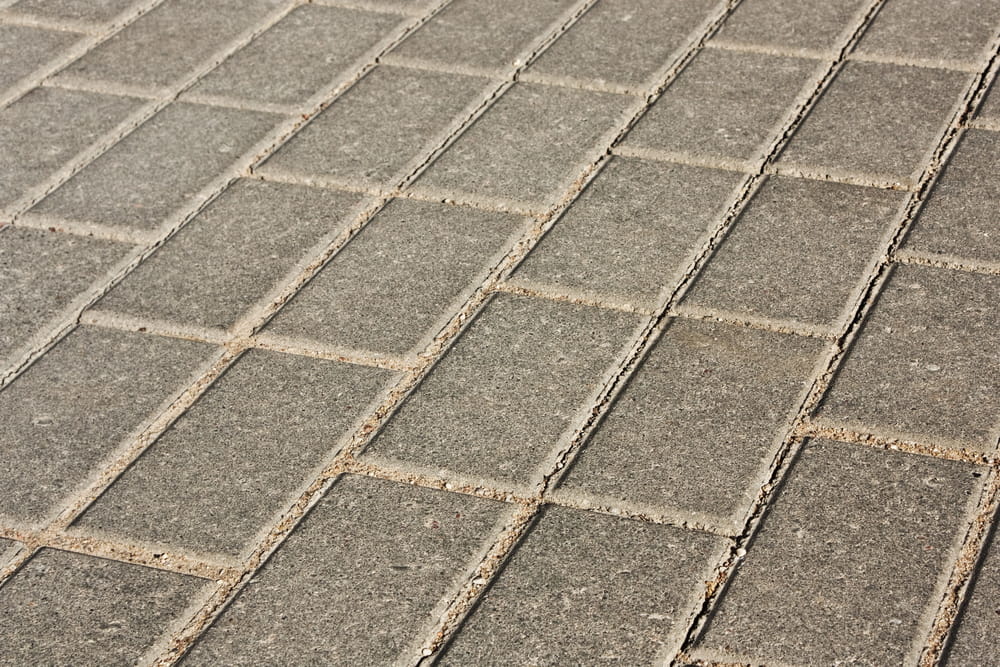
Pavers can add character and durability to driveways, patios, pool decks, and walkways. Over time, however, their textured surfaces and narrow joints collect dirt, algae, mildew, weeds, and other debris that ordinary rinsing may not remove.
Pressure washing can restore the appearance of pavers, but many homeowners worry about what will happen to the sand between them. That concern is reasonable. Using too much force or directing water into the joints can remove sand, weaken the paver system, and create additional maintenance work.
The key is understanding how pavers are installed and adjusting the cleaning process accordingly. With the proper technique, homeowners in Pensacola, FL, can remove exterior buildup without unnecessarily disturbing the surface beneath their feet.
Why Pavers Need Joint Sand
Joint sand fills the narrow spaces between individual pavers. Although it may seem decorative, it plays an important role in keeping the installation stable.
The sand helps limit side-to-side movement, distributes pressure, and reduces the opportunity for weeds to take root. It also supports proper spacing between the pavers so the surface remains consistent.
Some installations use regular joint sand, while others contain polymeric sand. Polymeric products include binding agents that harden when activated with water. This creates firmer joints that are more resistant to erosion, insects, and weed growth.
Regardless of the material, aggressive pressure washing can disturb it. The risk depends on the age of the installation, the condition of the joints, and how the equipment is used.
Does Pressure Washing Remove Joint Sand?
Some sand loss is possible during pressure washing, particularly when the joints are already loose, shallow, cracked, or deteriorated. A concentrated stream directed straight into the gaps can quickly displace material.
However, proper cleaning should not involve intentionally blasting the joints. Professionals typically control the angle, distance, water pressure, and movement of the equipment to focus on surface contamination instead.
The condition of the pavers matters as well. A newer installation with intact polymeric sand may hold up better than an older patio where rain and foot traffic have already worn the joints down.
Properties in Pensacola, FL, also experience frequent rain and humid conditions, which can contribute to erosion and organic growth. A pre-cleaning inspection helps determine whether the sand is secure enough for normal washing or likely to require replenishment afterward.
Why More Pressure Is Not the Best Solution
When pavers are darkened by mildew or algae, it can be tempting to use maximum pressure. A stronger force may seem faster, but it can remove more than the unwanted buildup.
Excessive pressure washing can etch the face of concrete pavers, expose aggregate, damage protective coatings, or create light and dark streaks. It may also loosen the edges of individual units and remove large amounts of joint sand.
Cleaning solutions often do much of the difficult work. A suitable pretreatment can loosen organic growth so it can be rinsed away without placing unnecessary force on the pavers.
This balanced approach is especially important around pool decks and patios in Pensacola, FL, where decorative surfaces may require gentler treatment than plain concrete.
How Professionals Clean Pavers Safely
A professional cleaning process usually begins with an inspection. The technician looks for loose pavers, damaged edges, low joints, existing erosion, stains, weeds, and areas where water collects.
The surface is then cleared of furniture, planters, leaves, and loose debris. A surface-appropriate cleaning solution may be applied to break down algae, mildew, and embedded grime.
During pressure washing, the operator maintains steady movement and avoids holding the stream over one area for too long. Water is directed across the paver faces rather than deeply into the joints.
The entire section should be cleaned consistently. Spot cleaning can leave bright patches surrounded by darker areas, making the surface look uneven even when the stain itself has improved.
What Happens If Some Sand Is Removed?
Minor sand loss does not always mean the paver system has been damaged. Joint material naturally erodes over time due to rainfall, drainage, sweeping, insects, foot traffic, and previous cleaning.
After pressure washing, the joints should be inspected once the surface has dried. Areas where the sand sits noticeably below the paver edges may need to be refilled.
Resanding involves placing the appropriate dry material over the surface and sweeping it carefully into the joints. The excess must be removed before activation, particularly when polymeric sand is used. Otherwise, a cloudy or hardened film can remain on top of the pavers.
Homeowners in Pensacola, FL, should confirm that the pavers are dry enough before resanding. Moisture can cause polymeric products to activate too early and prevent them from settling evenly.
Should Pavers Be Sealed After Cleaning?
Sealing is optional, but it can provide useful protection in certain situations. A quality sealer may deepen the pavers’ color, reduce water absorption, limit staining, and help stabilize joint sand.
The surface must be clean and thoroughly dry before sealer is applied. Trapped moisture, dirt, or leftover cleaning solution can lead to haziness, uneven color, or adhesion problems.
Pressure washing is often part of the preparation, but sealing should not begin immediately without considering weather and drying time. The humid climate in Pensacola, FL, can slow evaporation, especially in shaded patios and pool areas.
Not every paver requires the same product. The correct choice depends on the paver material, previous coatings, desired finish, drainage, and exposure to vehicle or foot traffic.
Can Pressure Washing Remove Weeds Between Pavers?
Pressure washing may remove visible weeds, moss, and loose roots, but it does not guarantee they will not return. Seeds can settle into the joints again, particularly when sand levels are low.
Using excessive pressure to dig out roots can remove too much supporting material. A better approach is to clean the surface carefully, refill weak joints, and improve drainage or maintenance practices where possible.
Polymeric sand may help limit future growth by creating a firmer joint. However, it must be installed properly to work as intended.
Routine sweeping also makes a difference. Removing soil, leaves, and organic debris gives weeds fewer places to establish themselves on paver surfaces in Pensacola, FL.
When to Schedule Professional Paver Cleaning
Professional service is worth considering when pavers have widespread algae, uneven discoloration, embedded stains, slippery buildup, or fragile joints. It is also helpful when the surface is sealed, decorative, or located near a swimming pool.
Exterior Wash Experts can evaluate the paver material and joint condition before selecting an appropriate cleaning method. Property owners looking for pressure washing in Pensacola, FL can receive surface-specific care designed to improve appearance while reducing avoidable sand loss or damage.
Paver buildup is not the only issue that can affect exterior safety. Continue with Can Pressure Washing Make a Slippery Driveway Safer? to learn how algae, mildew, shade, and moisture can create hazardous walking and driving surfaces.
Protecting Pavers Starts With Proper Technique
Pressure washing does not automatically ruin joint sand. Problems usually occur when equipment is used too close to the surface, at excessive pressure, or directly inside the joints.
Careful inspection, appropriate cleaning products, controlled technique, and post-cleaning evaluation can produce a cleaner result without compromising the installation. When some sand has already deteriorated, resanding may be a normal maintenance step rather than evidence of damage.
With the right process, homeowners in Pensacola, FL, can refresh their patios, driveways, walkways, and pool decks while preserving the stability and appearance of their pavers.